
Why Do Roof Financing Questions Come Up in Cicero, NY?
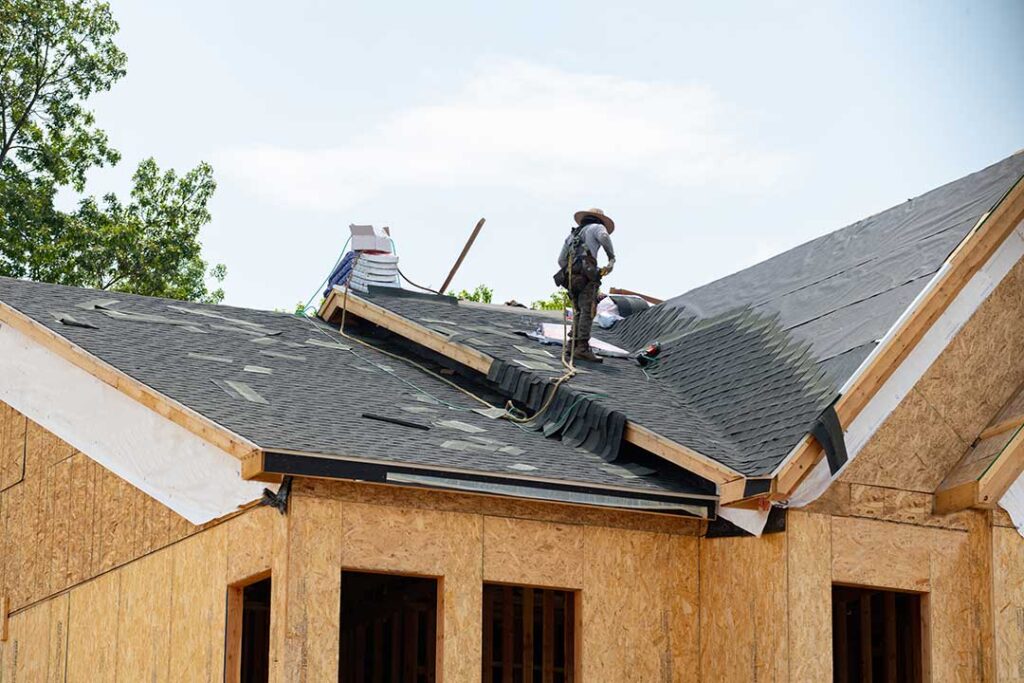
Roof replacements are a significant investment for many area households, often surfacing unexpectedly after storm damage or during seasonal maintenance. Roofs in this region typically last 15-30 years, meaning even proactive homeowners will eventually face this expense. Since weather and age can force a project sooner than planned, residents commonly look for ways to pay over time, avoid dipping into emergency savings, or manage surprise costs from leaks or ice damage.
What Are Common Ways Residents Pay for a New Roof?
Local households usually cover roof costs through a mix of savings, loans, or other resources. Understanding these choices helps people make responsible decisions about debt, monthly budgets, and long-term value.
- Personal savings, sometimes set aside over several years, is the most straightforward funding method—but abrupt roofing emergencies may not allow advance planning.
- Home equity loans or lines of credit use the home's value as collateral. These options can provide lower interest rates compared to unsecured loans, but approval can take time.
- Credit cards are fast and flexible, yet often carry higher interest rates. Large balances may be harder to pay off unless special promotional terms apply.
Are There Special Roof Financing Programs for Area Residents?
Yes, some government and nonprofit programs support homeowners facing urgent repairs. These are especially relevant for low-to-moderate income households, seniors, or people with health or accessibility concerns. Options may vary based on funding or guidelines each year.
- State-backed home improvement loans sometimes include roof work as a qualifying project.
- Local housing agencies or weatherization programs can occasionally assist with critical repairs or upgrades that improve energy efficiency.
It’s important to verify current eligibility requirements and funding cycles before counting on these programs, as some have waiting lists or annual application windows.
How Do Personal Loans Work for Roof Financing?
Personal loans are widely used for home improvement projects, including new roofs. Banks, credit unions, and online lenders may offer unsecured installment loans with fixed payments and set terms—usually from 2 to 7 years.
Key details to consider:
- Approval is based on creditworthiness, income, and debt-to-income ratio.
- Interest rates and maximum loan amounts will vary.
- Fast approval and funding make this a practical choice for timely projects, but monthly payments can be higher than longer-term solutions.
Personal loans don’t require home equity or collateral, which can be a helpful option for newer residents or those with less built-up property value.
Can Insurance Help Pay for a Roof Replacement?
Insurance sometimes covers the cost of a new roof, but this is only when damage results from covered perils—such as hail, wind, or fallen trees—not standard wear and tear.
Steps for the insurance route:
- Review the policy for coverage on roof replacement.
- Document the event (photos, dates, descriptions).
- File a claim as soon as hazard-related damage is observed.
Deductibles and specific policy rules apply. Residents should not assume all roof issues will qualify for insurance reimbursement.
What About Roof-Specific Financing Plans?
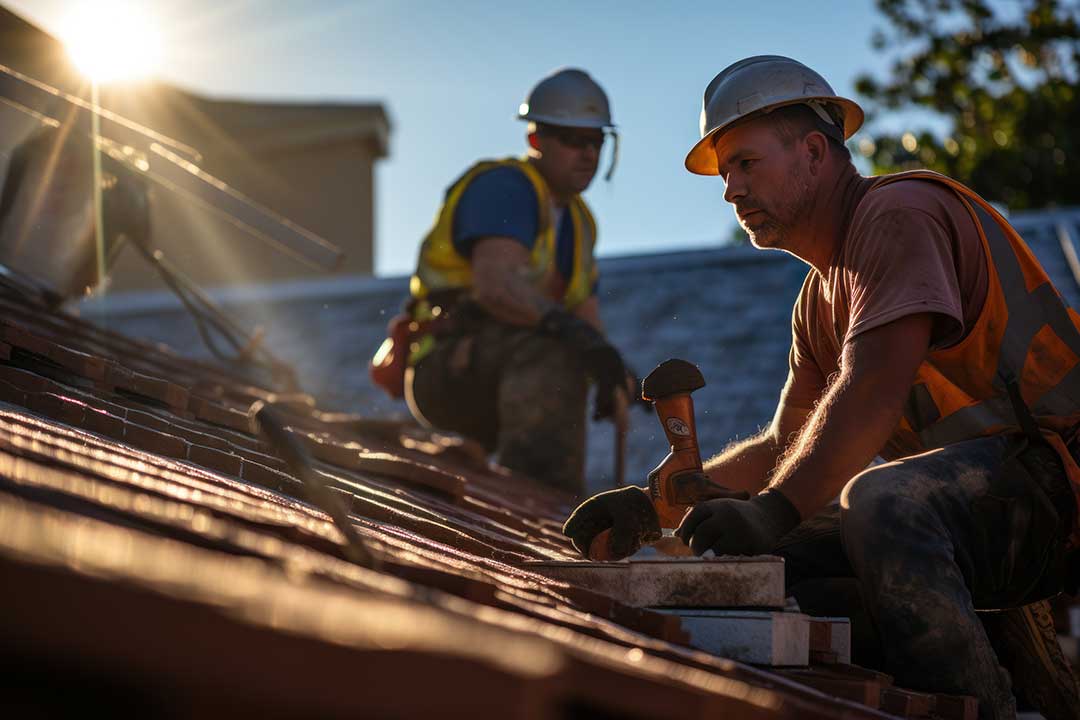
Some roofing contractors may offer financing arrangements through third-party lenders or special home improvement finance partners. These may involve installment payments or promotional offers such as deferred interest, depending on the terms.
Considerations for using these plans:
- Payment terms: Look for fixed vs. variable rates and any balloon payments.
- Fees or prepayment penalties: These can raise the long-term cost.
- Lender reputation: Independent research helps avoid predatory lending.
These plans are often tailored for quick approvals, which can be useful if repairs are needed before the next storm season.
Are There Any Overlooked Solutions for Budget-Conscious Homeowners?
A number of area households explore less common approaches when finances are tight or traditional loans are not an option:
- Borrowing from retirement savings, such as a 401(k) loan, though this brings potential tax consequences and lost investment growth.
- Pooling funds with family, which can lower the overall need for loans but may involve personal arrangements and trust.
- Scheduling the project during off-peak seasons. Some contractors may have more flexibility with timelines or promotions in late fall or early spring.
It's wise to weigh these ideas carefully and consult with trusted advisors about any potential risks.
How Should Residents Compare Their Options?
Choosing among roof financing methods depends on individual circumstances—budget, credit history, home equity, and how soon the work must be completed. The key is matching the financing approach to personal readiness and long-term financial health.
Residents can:
- Calculate their monthly payment comfort level.
- Estimate roof replacement cost ranges—most single-family homes in this community expect mid-range figures, depending on size and materials.
- Consider future plans for the home, such as moving or additional renovations, to avoid over-extending with multiple loans.
Misconceptions sometimes arise, such as believing insurance covers all roof replacements or assuming the cheapest credit source is always best. Each option has trade-offs, making it valuable to research and compare carefully before committing.
