
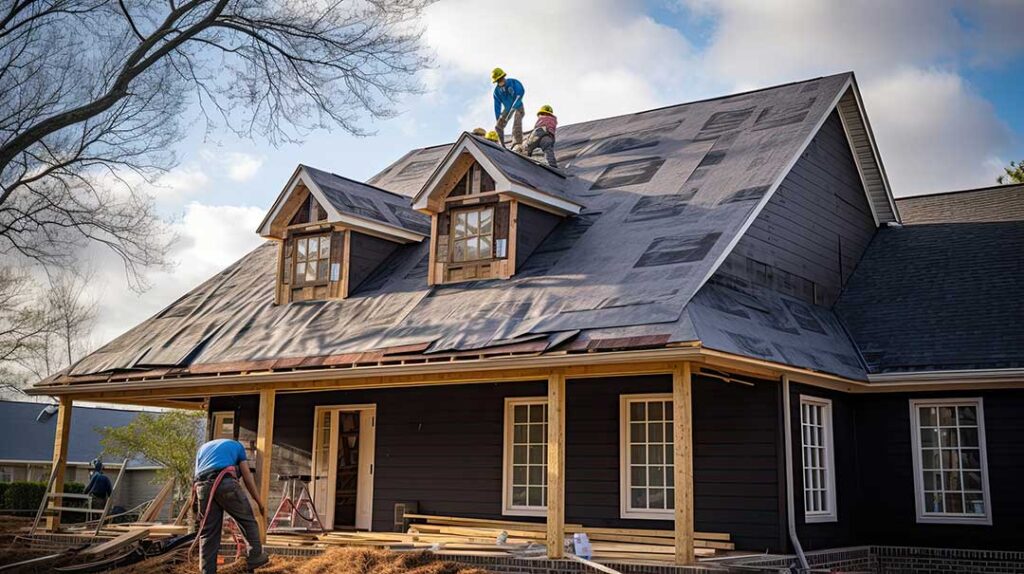
Why Should Cicero, NY Residents Worry About Roof Safety During Renovations?
Even smaller remodeling projects can unintentionally cause roof issues, especially in a region like Cicero, NY with snowy winters, rainy springs, and plenty of mature trees. Construction debris, heavy foot traffic, or exposure to weather can quickly damage roofing materials or create the potential for expensive leaks. Homeowners often underestimate these risks until a visible problem appears, making preventive measures essential.
What Are the Main Ways Renovations Can Damage a Roof?
Renovations inside or outside your home can pose various threats to a roof's integrity. The most common risks in this area include:
- Falling debris from upper-story renovations, especially during siding replacement or window upgrades
- Heavy equipment or materials placed on roofs, such as ladders, scaffolding, or bundles of shingles
- Increased foot traffic on shingles, which can dislodge granules or crack tiles (particularly after freeze-thaw cycles local to Cicero)
- Dust, nails, or construction trash clogging gutters and valleys, leading to drainage problems
- Unintentional removal or puncture of flashing—especially around chimneys and skylights commonly found in many local homes
Can Weather in Cicero Affect Roof Protection During Construction?
Yes—Cicero's seasonal climate heightens the risk of roof damage during home improvement projects. Spring and early summer bring persistent showers that can turn a minor gap in underlayment into a leak almost overnight. In autumn, falling leaves can quickly block downspouts, while harsh winters may hide roof hazards under snow.
Quick tips for handling Cicero weather during renovations:
- Always keep tarps or temporary roof covers on hand for sudden rain showers.
- Schedule major outdoor work during drier periods if possible, while keeping an eye on extended forecasts.
- Tidy the area and clear debris from gutters frequently, especially if tree coverage is heavy around your home.
- Avoid storing materials directly on the roof—even briefly—whenever ice or frost may be present.
What Precautions Should Be Taken Before Renovation Starts?
Start by examining the roof for preexisting problems. Look for loose or missing shingles, open flashing, and clogged gutters. Photographing the current roof condition can help document damage if an accident does occur. Inform every contractor or family member working on the project about roof protection expectations—even if the main renovation isn’t supposed to involve the roof.
Key prep steps for Cicero homes:
- Secure or mark off any areas under eaves where workers might lean ladders or drop tools.
- Ask for boards or cushioning underneath ladders to spread out the weight on asphalt shingles.
- Cover vulnerable areas (like roof valleys or vent stacks) with heavy-duty tarps during demolition phases.
How Should Contractors Work Around Your Roof?
Anyone accessing the roof should use soft-soled shoes and avoid dragging tools or materials. If scaffolding must be erected next to the house, check that it’s secured without scraping against gutters or shingles.
Questions to ask before work begins:
- Can walkways or access points be placed to avoid roof traffic?
- Are contractors trained to recognize and avoid damaging vulnerable roof sections, especially after rain or wind?
- Will exhaust vents, satellite dishes, or solar panels require temporary removal or extra protection?
Detailed communication and oversight can prevent many of the most common issues.
What Should Be Done Daily to Protect the Roof During a Project?
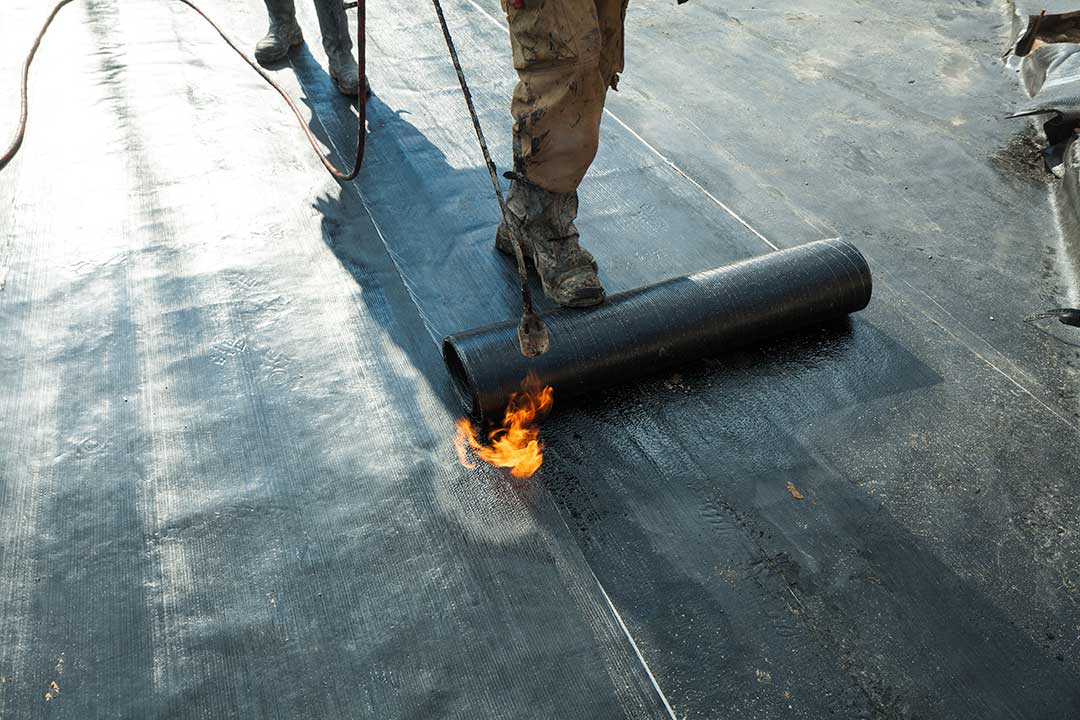
Consistent attention, even during relatively minor upgrades, can prevent long-term problems.
- Inspect the roof each evening (or assign someone to do so) to spot any debris, unsecured coverings, or clogged gutters.
- Remove leftover nails, shingles, or construction waste promptly.
- If bad weather is imminent, verify that all temporary roof coverings are secure.
After a windstorm or heavy rain—a familiar event in the region—double check for shifted tarps or anything that could allow water intrusion.
What Are the Most Common Mistakes Area Homeowners Make?
Some protections are easily overlooked:
- Failing to notify every worker or helper about fragile roof areas or roof-mounted equipment
- Storing heavy objects directly on the roof surface, even “just overnight”
- Skipping daily cleanup, which can lead to accidental punctures or clogs
- Not reattaching flashing or seals around vents, especially in roof valleys or around chimneys
These mistakes can seem minor until leaks appear or winter ice dams exploit small roof vulnerabilities.
After Renovation, How Should You Check for Roof Damage?
Conduct a careful post-project inspection as soon as possible. Look for:
- New dents, cracks, or missing shingle granules
- Displaced flashing, loose gutters, or missing seals at penetrations
- Signs of water stains or dampness in attic spaces, especially after rainfall
If something seems off and you’re unsure about its cause, consider seeking unbiased documentation (such as photos or a written record). This is especially useful when dealing with warranties or insurance.
Are There Local Considerations Unique to Cicero Homeowners?
Local climate forces, such as ice, snow, and heavy rainfall, mean even small roof breaches can turn serious quickly. Some neighborhoods in Cicero also feature mature trees, making routine gutter protection more critical to prevent both clogs and algae buildup after a remodel.
Renovation debris from siding or window replacements can quickly fill storm drains and downspouts, so prioritizing gutter cleaning—as part of roof protection—benefits both individual homes and local infrastructure.
