

Is It Ever Safe for Cicero, NY Residents to Work on Their Own Roof?
For some homeowners in Cicero, NY, tackling minor roof projects may seem practical or even routine. Safe roof work depends on several factors: your experience, the job’s complexity, weather conditions, the type of home, and your ability to follow safety precautions. While some maintenance tasks can be handled responsibly by area residents, significant repairs or work involving heights, electrical components, or unstable structures generally present risks best left unaddressed without proper training.
What Types of Roof Work Are Reasonably DIY-Friendly?
Some simple upkeep tasks may be suitable for local householders who are comfortable with heights, use safety equipment, and are working in good conditions:
- Cleaning out gutters with a secured ladder on stable, dry ground
- Removing light debris such as twigs or leaves from a low-slope roof
- Replacing a few missing shingles after a mild windstorm, if the roof pitch is gentle and you have proper footwear
- Applying caulk to minor flashing or vent pipe leaks
More complex tasks—like structural repairs, replacing underlayment, fixing widespread leaks, or working on steep or high roofs—should be avoided by non-professionals due to the risk of falls or further damage. Older homes in the city may also have more fragile decking or hidden issues.
Which Local Factors Influence Roof Work Safety?
Cicero’s climate and home designs affect safety. Annual snow and ice create slick surfaces well into spring. Windy lake-effect storms can linger unexpectedly, and many area homes have higher rooflines or complex designs. Before attempting any work, consider:
- Moisture: Roofs can remain slippery for days after snow or rainfall
- Pitch: Many homes have moderate to steep roofs, increasing fall risk
- Age of structure: Older roofs may have hidden rot or weakened areas
- Accessibility: Dense trees or power lines commonly found in area neighborhoods may complicate safe ladder setup
Waiting several dry days after precipitation and checking both surface and ladder ground stability help minimize risks.
How Do You Know If Your Roof Work Falls Within Legal and Insurance Boundaries?
In the city, nearly all standard roof maintenance is allowed by homeowners as long as it doesn’t involve expanding, structurally changing, or re-roofing large sections of your home. Local codes generally require permits for:
- Replacing more than a minor portion of the roof’s surface
- Any work that alters the roof line, structure, or ventilation
Attempting major DIY roof repairs outside of code can impact homeowners’ insurance in Cicero if subsequent damage occurs. Before proceeding, review your policy’s language about self-performed repairs to avoid problems with future claims, especially after heavy weather events.
What Tools, Equipment, and Precautions Are Needed for Safe DIY Roof Work?
Even minor tasks require good preparation to avoid accidents. Always use:
- Rubber-soled shoes for traction on shingles
- A stable, extension ladder placed on firm, level ground and safely tied off
- A harness and roof anchor, even for single-story roofs if you’re near edges
- Gloves, safety glasses, and appropriate workwear
Additionally, it’s wise to have another adult nearby—never work alone at height. Avoid roof work during wind advisories, after rainfall, or during high heat, all of which can occur suddenly in this region.
What Are Common Mistakes Area Residents Make When Attempting Roof Work?
Local emergency rooms see injuries every year from ladder slips, falls, and cuts related to roof work. Frequent pitfalls include:
- Underestimating the risk of slips on loose granules or moss
- Using old, unstable ladders or setting them at the wrong angle
- Walking on damaged or soft roof decking, especially on older homes
- Attempting to patch or coat over leaks without identifying their true cause
- Ignoring personal safety equipment (even brief exposure to heights is dangerous)
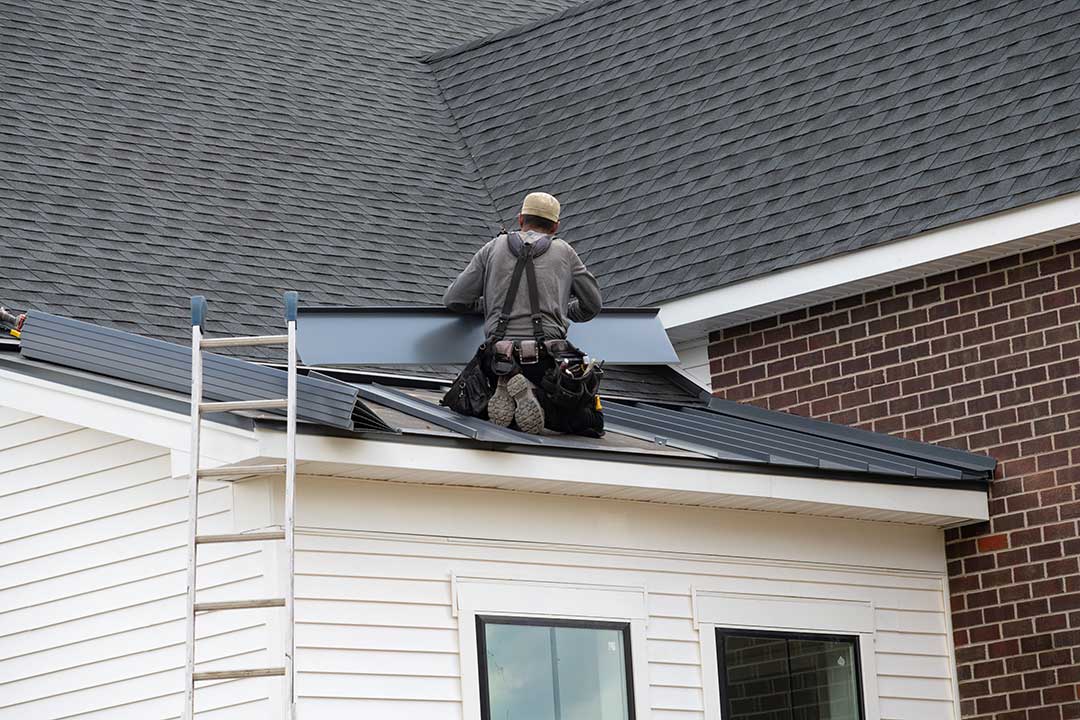
These mistakes can lead to expensive repairs or injury. Before starting, carefully assess every aspect of the job and stop immediately if you’re unsure about your safety.
When Should You Avoid DIY Roof Work Altogether?
Residents should never attempt roof work under these conditions:
- The roof is steep, high, or complex in layout
- The decking feels soft or springy underfoot
- There are active power lines nearby
- You’re unsure of the cause of a leak or the extent of damage
- Adverse weather is forecast, or surfaces remain damp or icy
Work involving electrical components, structural changes, flashing replacement near chimneys, or widespread storm damage is safest left unaddressed until adequately trained help is available.
What Seasonal or Local Issues Should Be Considered?
The local climate creates unique hazards for roof work. Freeze-thaw cycles can create black ice or trap moisture that’s invisible until you’re standing on it. Spring and fall bring sudden wind gusts that can destabilize ladders or loose shingles. Regular storms may dislodge debris, making working surfaces unpredictable.
For residents planning DIY roof work:
- Schedule projects only during prolonged dry spells
- Inspect from the ground first using binoculars if possible
- Clear debris gently to avoid damaging fragile shingles
Awareness of how quickly conditions can change in the region helps prevent accidents.
How Can Residents Make Informed Decisions?
Doing small roofing jobs safely requires honest self-assessment, basic knowledge of the roof’s structure, and the right weather and tools. Preparing thoroughly, recognizing limits, and respecting the inherent risks—especially in the context of unpredictable local weather and varying home designs—are essential to protecting yourself and your home.
