
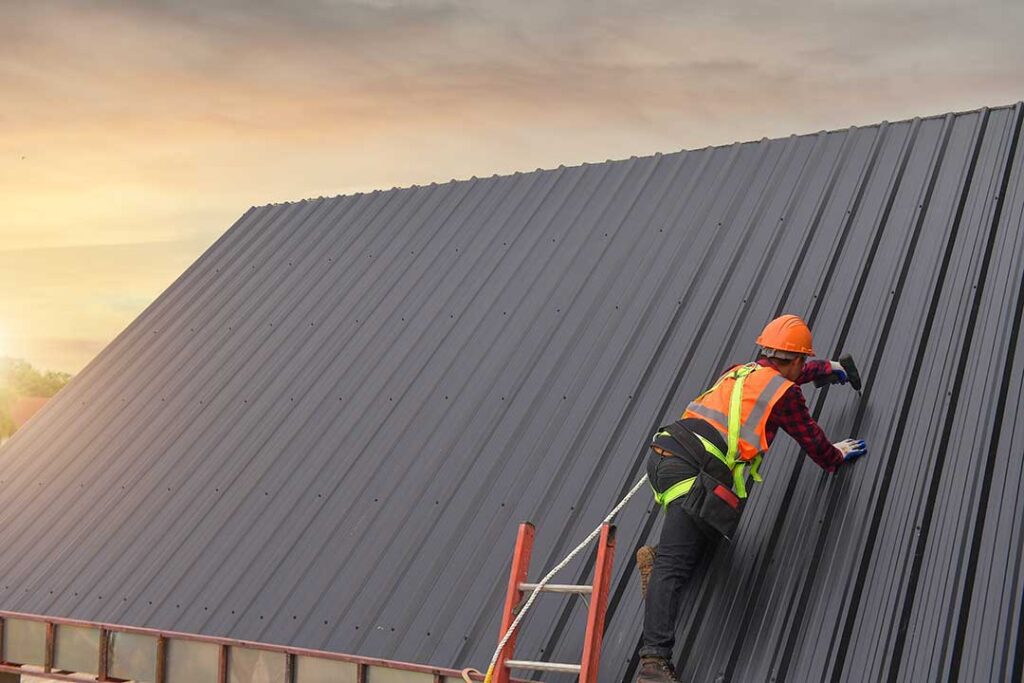
What Are Roof Coatings, and How Are They Used?
Roof coatings are specialized liquid or semi-liquid products applied to the surface of existing roofs to improve their lifespan, weather resistance, and energy performance. In Cicero, NY, where roofs contend with snowy winters, rainy springs, and periodic freeze-thaw cycles, coatings are most commonly used as a protective layer over older roofs or as proactive care for flat or low-slope roofs.
Coatings can be acrylic, silicone, polyurethane, or even asphalt-based. They are generally rolled, sprayed, or brushed onto the roof, forming a seamless, flexible membrane once cured. While they can't fix major structural problems, coatings are valued as a way to extend roof life or improve performance under local climatic stresses.
What Are the Main Advantages of Applying a Roof Coating?
Roof coatings offer several benefits to area households dealing with the region’s variable climate.
- Slows Deterioration: Coatings provide a defensive barrier against rain, snow, and UV rays, helping delay common wear such as cracking, blistering, or granule loss.
- Energy Efficiency: Reflective coatings keep roofs cooler in the summer, lowering attic temperatures and possibly reducing cooling costs during heatwaves.
- Leak Prevention: A continuous membrane can seal small cracks or seams, helping prevent minor leaks or seepage, especially after winter thaws.
- Extended Lifespan: By protecting the roof surface, coatings can delay the need for a costly tear-off, sometimes by several years for flat roofs or older low-slope systems.
- Less Debris Build-Up: Coated surfaces are often smoother, meaning leaves, sticks, and moss are less likely to take hold.
- Environmental Benefits: Using a coating to restore an aging roof can sometimes delay when the old roof needs to be sent to a landfill.
For Cicero residents who want to get a few more winters out of an aging roof or reduce mid-summer attic heat, a well-chosen coating can provide a practical solution—if the underlying roof remains strong.
Are There Limitations or Downsides to Roof Coatings Locally?
Yes, roof coatings are not a cure-all, and some homes or situations in the community won’t benefit as much.
- Won’t Fix Major Roof Damage: If there are rotten decking boards, major leaks, or severe structural problems, a coating isn’t enough—these require repairs.
- Not Always Durable Under Heavy Snow: Some coating types may crack or peel if exposed to repeated ice damming, standing water after snowmelt, or extreme freeze-thaw cycles.
- Appearance Changes: Coatings can change the look of a shingled roof, sometimes leaving a muted or uneven finish.
- Application Conditions Matter: Coatings should only be applied during specific temperature and moisture conditions, which can be a challenge given the area’s unpredictable spring and fall weather.
- Occasional Reapplication Needed: Most coatings do not last as long as a new roof; recoating might be needed in 5–10 years, depending on the product and exposure.
- Not for Steep-Slope Shingle Roofs: Many coatings are designed for flat or low-sloped roofs—most shingle roofs in Cicero neighborhoods will not benefit from standard coating products.
Which Types of Roofs in Cicero Are Good Candidates for Coating?
Roof coatings tend to work best on flat or low-slope surfaces—including some older commercial buildings, garages, porches, or outbuildings in the city.
Coatings are generally not recommended for:
- Newer asphalt shingle roofs (these should be left uncoated)
- Severely damaged, sagging, or leaking roofs that need replacement
- Metal roofs with large areas of corrosion
However, coatings can be a good choice for:
- Built-up roofs (BUR) or modified bitumen commonly found on garages and additions
- Certain single-ply systems (like EPDM or TPO) if the material is sound
- Low-slope sections where ponding water has been a recurring issue, but the roof deck is still intact
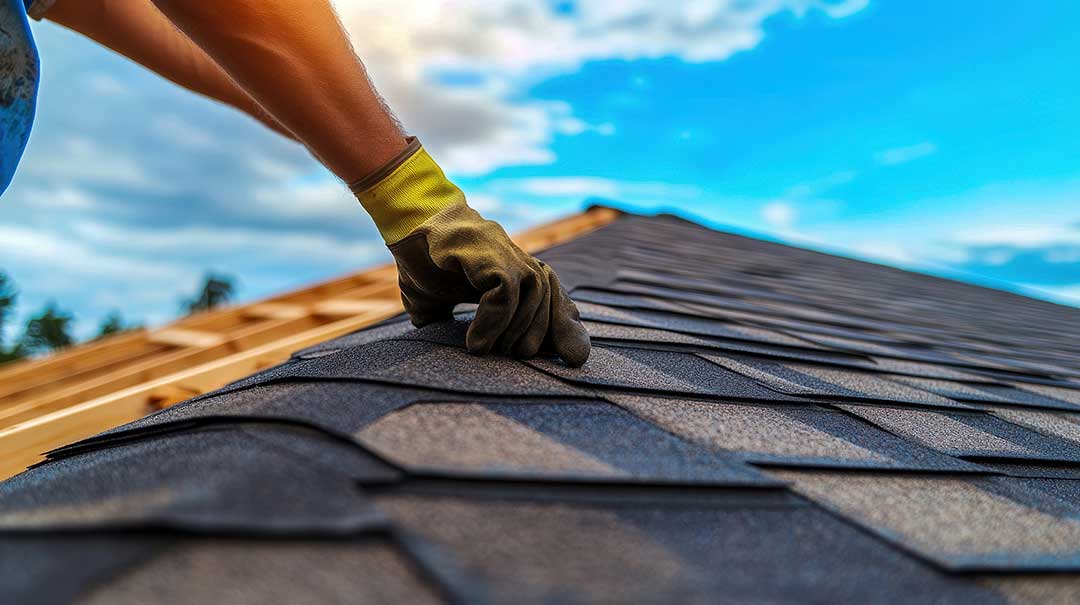
Before applying any product, it is necessary to confirm the existing roof type, age, and overall condition to ensure the coating will adhere and provide value.
What Are Common Misconceptions About Roof Coatings in This Area?
Some homeowners expect coatings to “seal” a leaky or failing roof, but this is rarely the case with active or widespread leaks. Another frequent misunderstanding is that any type of roof can be coated. In reality, steep shingle roofs—common on many area homes—are not suitable for most coatings.
People also sometimes assume that all coatings are highly reflective or energy-saving, when only specific "cool roof" products provide this benefit, and their effect is most notable on low-slope, unshaded roofs.
Lastly, coatings aren’t a way to "skip" maintenance; moss, leaves, and other debris need to be cleared before application, and ongoing care is still important.
How Do Seasonal Conditions in Cicero Affect Roof Coating Performance?
Seasonal swings impact how and when coatings can be applied. In early spring or late fall, moisture and low temperatures can prevent proper curing. Humid summers also slow drying times, while pollen or seed debris from local trees can contaminate a wet coating.
Winter’s ice and snow present particular challenges for flat roofs: ponding meltwater or ice dams can stress a coating’s flexibility, potentially causing failure if the wrong product type is used or if coverage is too thin.
Timing a coating project requires checking local weather forecasts and aiming for a stretch of dry, mild days (often late summer is best). Owners should plan for occasional inspections, particularly after ice melt or storms, to ensure the coating is holding up.
What Questions Should Residents Ask Before Choosing a Roof Coating?
A few key questions help ensure a roof coating is the right decision for a particular home in the area:
- Is the roof type compatible with the intended coating?
- Has the roof been inspected for hidden water damage or wood rot?
- Will applying a coating void any existing roof warranty?
- Is the product rated for local freeze-thaw conditions and UV exposure?
- What is the expected reapplication interval given local weather patterns?
Informed homeowners will get the most value by focusing on their specific roof material, age, and annual maintenance habits, rather than expecting a coating to resolve all ongoing or underlying problems.
