

How Can Homeowners Spot Issues from a Poorly Installed Roof?
Many homeowners in Cicero, NY want to recognize roof problems before leaks or damage appear. Poor installation might not cause trouble right away, but overlooked warning signs can lead to costly repairs later. Residents can look for several visible cues after a roofing project to make sure workmanship meets local expectations, especially with the area's harsh winters, lake-effect snow, and seasonal temperature swings.
What Are Visual Signs Something Is Wrong?
At first glance, a newly installed roof may seem fine. Still, several visual clues can signal something is amiss:
- Shingles Not Lined Up Properly: Each row of shingles should form a straight, even pattern. Uneven lines or visible gaps between shingles can indicate poor attention to detail or rushed work.
- Exposed Nails: Nails should be covered by the overlapping shingle above. If you notice nail heads out in the open, it leaves a path for water to seep through—especially problematic during spring thaws or summer downpours.
- Missing or Mismatched Shingles: Sometimes leftover materials from multiple jobs get mixed. Even if materials seem similar, color or texture mismatches can signal shortcuts or material shortages.
- Buckled or Lifted Shingles: If shingles appear to curl, bulge, or lie flat in odd ways, it might mean they weren’t secured or spaced correctly. This is a frequent issue in colder climates, as poorly installed shingles can lift further after freeze-thaw cycles.
Visible defects often emerge around roof edges, valleys, and along seams. In the community, heavy winter ice dams and strong seasonal rains will expose these weak spots quickly.
Are There Subtle Signs That Don’t Show Up Right Away?
Some roofing problems are hidden at first but lead to trouble as weather takes its toll. These subtle signs often become noticeable after a couple of seasons:
- Frequent Ice Damming Along the Eaves: If ice dams form often at the roof’s lowest edge, inadequate installation, insulation, or underlayment may allow heat loss and water backup.
- Persistent Attic Moisture or Musty Odors: Moisture in the attic may suggest incorrect ventilation or gaps in underlayment, which allows melting snow or rain inside.
- Mysterious Interior Stains: Water stains that appear after snow melts or heavy rain could be a sign of improper sealing, especially around vent pipes, skylights, or valleys.
These issues are sometimes mistaken for ordinary aging, but in younger roofs, they usually point to errors from installation or missed weatherproofing steps.
Why Do Improper Flashing and Seals Matter So Much?
Roof flashing—thin metal or waterproof barriers—is crucial in keeping water out where roof planes meet (such as around chimneys, dormers, or in valleys). Inadequate flashing installation is one of the leading causes of roof leaks in the area.
- Improper Placement or Incomplete Coverage: If flashing is visible out of place, short, or missing at critical joints, water has a clear path underneath the roof system.
- Using Roofing Cement Alone: Relying only on roofing cement (black sticky sealant) instead of metal flashing is a shortcut that may fail quickly, especially during freeze-thaw temperature changes.
- Cracked or Loose Flashing After the First Winter: If flashing peels, lifts, or appears corroded after only a season or two, it’s likely the original work was rushed or components were re-used.
Quality roof installs in Cicero need robust flashing work due to snow loads and spring runoff.
How Does the Local Climate Reveal Installation Issues?
Local weather exposes weakness in roof installation faster than in more temperate areas. Roofs face dense snowfall, ice buildup, blowing winds, hail, and dramatic, rapid temperature shifts. Each of these stresses tests proper installation practices.
- Ice Dam Water Intrusion: In neighborhoods where snow sits undisturbed, weak installation lets ice melt under shingles and leak inside.
- Wind Damage on Eaves and Ridges: Gusty storms may lift or tear away poorly fastened shingles along edges—a problem that becomes clear after the region’s seasonal storms.
- Quick Wear and Tear: Even one season of hard weather can result in shingles shedding granules, warping, or breaking away on new roofs if installed incorrectly.
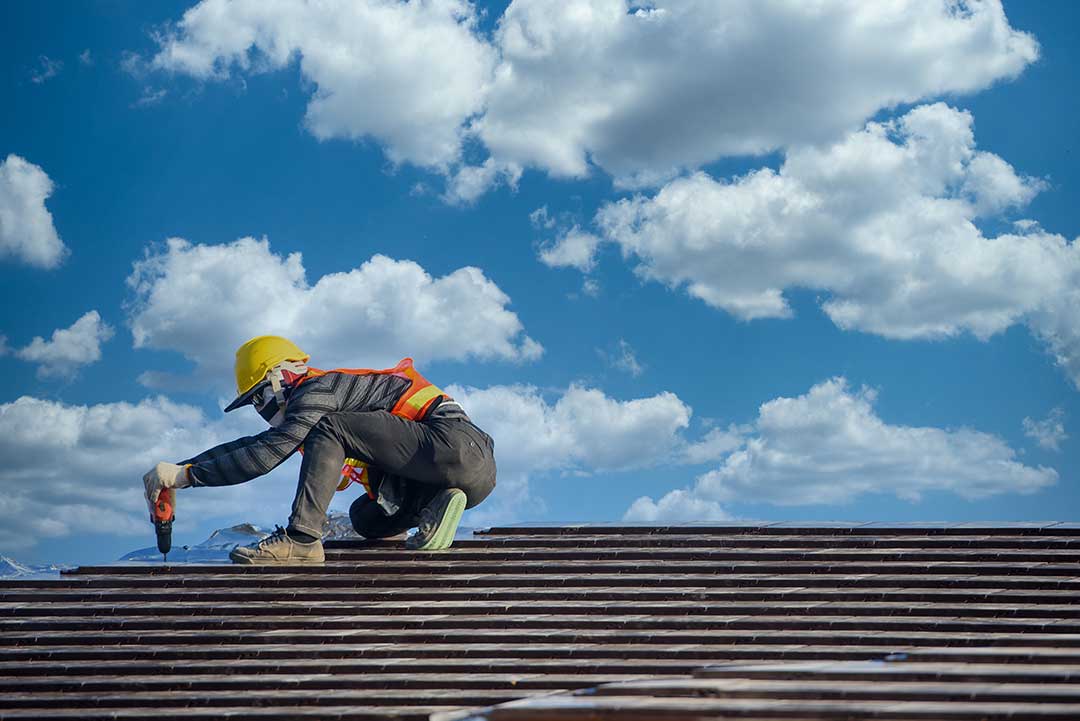
Homeowners sometimes attribute early wear to bad luck or product defects, but subpar workmanship is often to blame.
What Are Common Misconceptions About New Roofs?
A common belief is that any roof replaced recently should be trouble-free for years. In reality, bad installation can undermine even premium materials. Some myths worth correcting:
- Warranty Guarantees Quality: Manufacturer warranties cover defects in materials, not installation problems. Poor workmanship can void these protections.
- Most Roofs Last the Same: Unskilled or rushed work can require major repairs far before the expected lifespan of the roofing material.
- Problems Always Appear Right After Work: Some warning signs show up only after a year or two, as weather exposes shortcuts or improper materials.
Awareness of these facts helps area households judge their new roof’s condition independent of its age.
What Should Residents Check to Verify a Job Was Done Right?
Shortly after a new roof is installed, residents can perform a few simple checks:
- Walk the perimeter and look for uniform shingle rows, proper edge finishes, and consistency in color.
- Verify attic ventilation pathways aren’t blocked and that no daylight is visible through the boards.
- Ensure all roof valleys, chimneys, and vents are sealed with sturdy, overlapping flashing (not just caulk).
- After heavy rain or snow, check for leaks, damp insulation, or musty attic smells.
If something feels off, photos and written records can help track issues before they grow. Understanding these signs helps local residents protect their homes and investments, especially in a region where winter stresses and wet springs intensify the impact of poor workmanship.
