

What Are Cool Roofs and How Do They Work?
Cool roofs are designed with materials that reflect more sunlight and absorb less heat than standard roofing. Most commonly, they use light-colored coatings, reflective shingles, or specially engineered membranes. By reflecting solar energy, these roofs keep attics and living spaces noticeably cooler. For households in Cicero, NY, where summers are often warm and humid, a cool roof can make a real difference in indoor temperatures—especially in homes with older insulation or unfinished attics.
Do Cool Roofs Really Lower Home Temperatures?
Yes, homes with cool roofs tend to remain cooler during hot weather. In a city like Cicero, where summer days frequently reach into the mid-80s, traditional roofing materials can make attics much hotter—sometimes climbing up to 40°F above outdoor conditions. By reducing heat absorption, a cool roof may keep attic temperatures 10–20°F lower, which in turn helps bedrooms and living spaces stay more comfortable. This can be particularly useful in two-story homes, split-levels, and houses without air conditioning, where upper floors often suffer from heat buildup.
Can a Cool Roof Save Money on Energy Bills?
Reflective roofing can reduce the need for air conditioning, leading to noticeable savings during warm months. In areas like Cicero with a mix of heating and cooling needs, the largest benefit appears during summer when local households often rely on window units or central air. While savings will vary based on insulation and overall home efficiency, national research suggests that cool roofs can reduce summertime energy use for cooling by 10–20%. For a typical single-family home in Cicero, this could mean slightly lower summer electricity bills.
Are There Other Advantages Beyond Energy Savings?
Cool roofs do more than just lower AC costs. Some overlooked benefits include:
- Prolonged roof life: By reducing temperature swings and sun exposure, cool roofs can slow down wear and tear on roofing materials. This is especially helpful in climates like Cicero’s, where winter freeze-thaw cycles and summer sun can cause shingles to degrade.
- Reduced indoor humidity: Cooler attic temperatures help limit indoor moisture buildup and can slow the growth of mold or mildew. This is especially important in regions with seasonal humidity.
- Potentially less ice damming in winter: When attics are less warm, snow and ice melt more uniformly, which may help reduce the frequency or severity of ice dams—a recurring issue for many in the community each winter.
How Do Cool Roofs Affect Winter Heating in Cicero?
Some residents worry that more reflective roofs could slightly increase heating needs during cold weather by allowing less sun-generated warmth to enter the home. In practice, the impact is usually minor in upstate New York’s climate, especially when insulation standards are met. Homes in Cicero typically rely on insulation and air sealing—not roof color—to conserve winter heat, so the summer cooling benefits generally outweigh any small increase in heating demand.
Is a Cool Roof Compatible With Local Building Codes and Aesthetics?
Most residential neighborhoods in Cicero allow cool roofing as long as materials meet safety and appearance guidelines. Homeowners’ associations or historic districts may have additional rules about visible features or materials. Many cool roofing products now resemble traditional asphalt shingles, tiles, or shakes, making them suitable for a variety of local architectural styles. Residents should always check local building requirements or consult city planning resources before starting a project that alters roof color or material.
What Roofing Materials Qualify as “Cool” in the Area?
Several types of roofing materials are classified as cool roofs, including:
- Asphalt shingles with reflective granules
- Metal roofs with white or lighter-colored finishes
- Tile or composite shingles designed with light pigments
- White or very light fluid-applied roof coatings
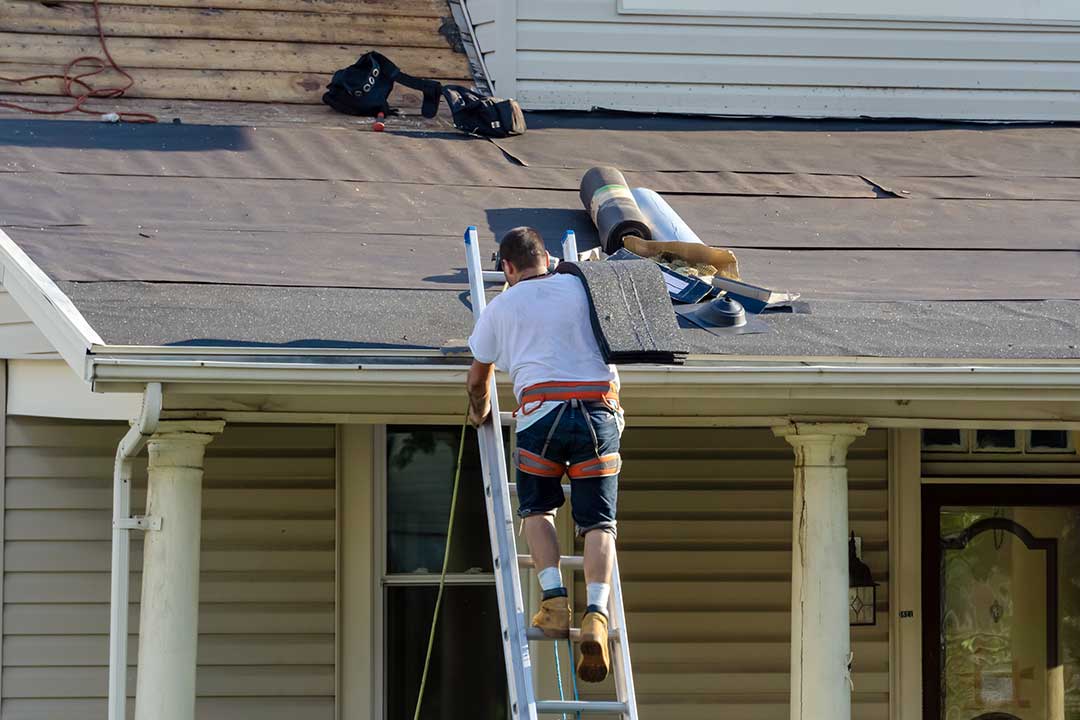
For new construction, most roofing suppliers in the city carry suitable options; for existing homes, it’s possible to apply reflective coatings to some types of older roofs, though results depend on current material condition.
Are There Any Misconceptions About Cool Roofs?
Residents sometimes assume that a roof needs to be bright white to provide cooling benefits. While white is the most reflective, many modern cool roofing products come in a range of earth tones and subtle colors appropriate for area homes. Others may worry that cool roofing is only beneficial in southern climates; however, the humid Northeast summers and increasing frequency of extreme heat waves make this approach relevant for Cicero households as well.
What Should Residents Consider Before Installing a Cool Roof?
It’s important to weigh a few factors:
- The age and current condition of the existing roof
- Local regulations or neighborhood restrictions regarding roofing changes
- Whether improved attic insulation or ventilation might work hand-in-hand with a cool roof for best results
While cool roofs alone can help reduce unwanted summer heat, pairing them with good insulation is the most effective way to keep homes comfortable year-round in Cicero.
